When designing a ventilated facade, selecting the outer cladding material is one of the most critical decisions an architect makes. The cladding is not merely the visual identity of the building; it serves as the first line of defense against the elements and significantly impacts the building’s overall Life Cycle Assessment (LCA), embodied carbon, and operational durability.
With green building standards like LEED and BREEAM pushing for sustainable material transparency, how do the most popular cladding materials compare?
Here is a comparative guide to four leading cladding options: Terracotta, Fiber Cement, High-Pressure Laminate (HPL), and Metal (Aluminum/Zinc).
1. Terracotta Panels
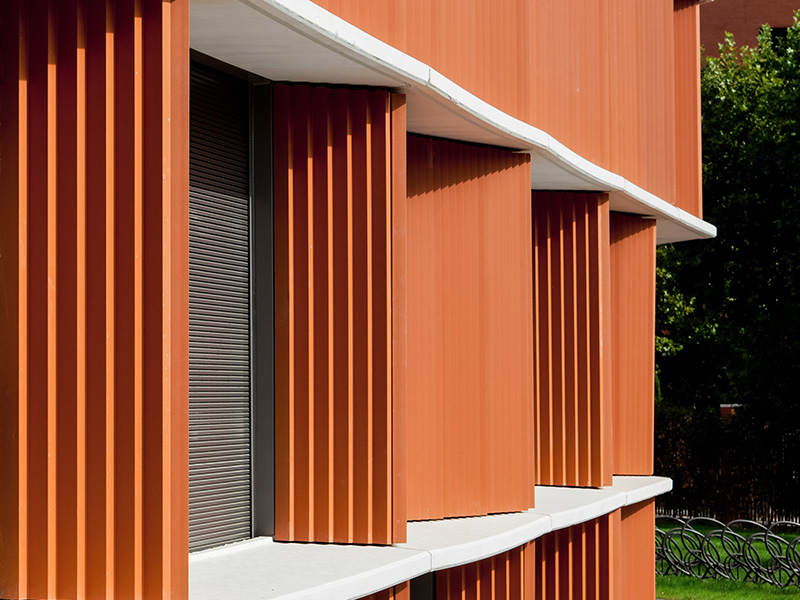
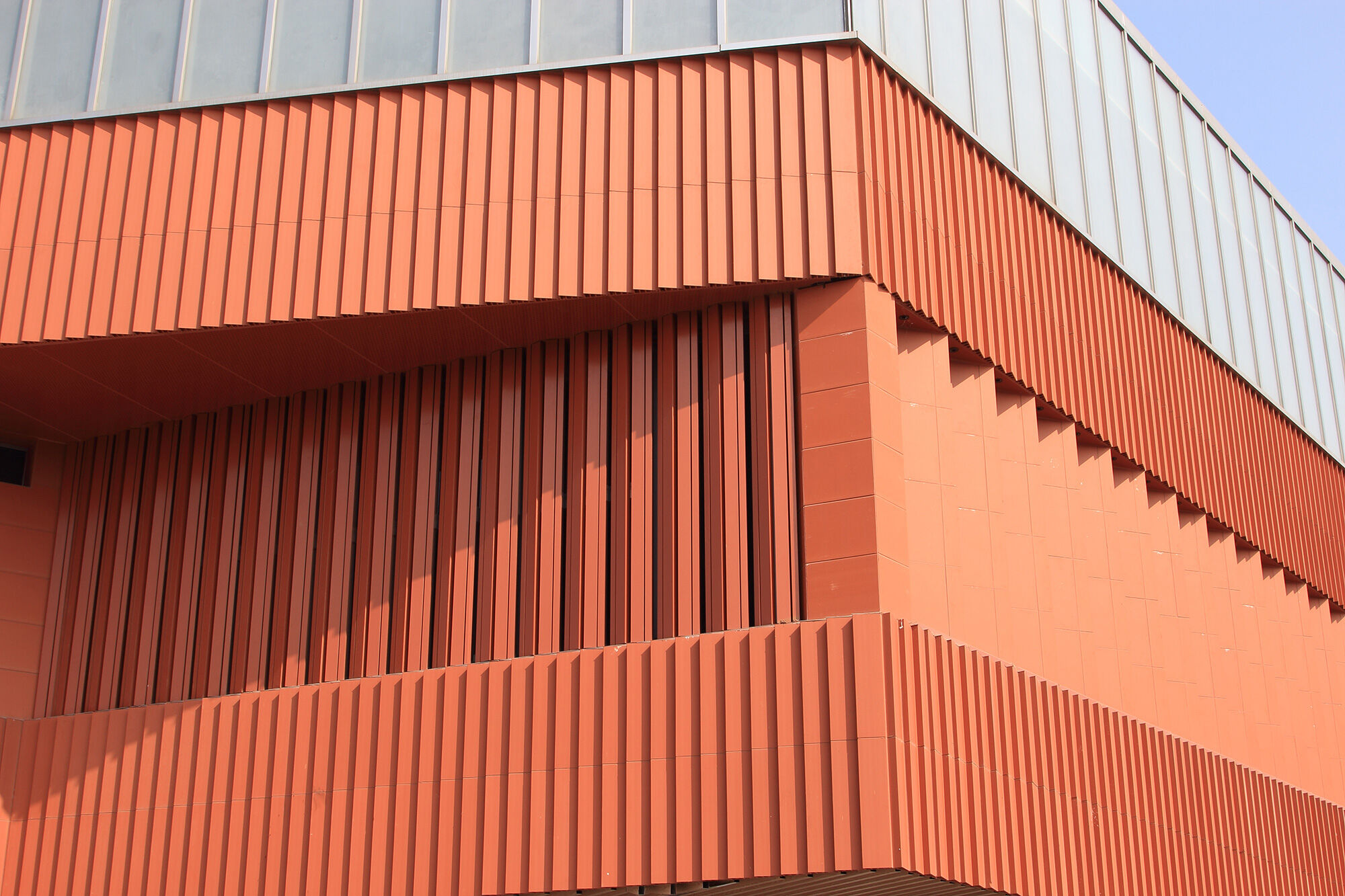
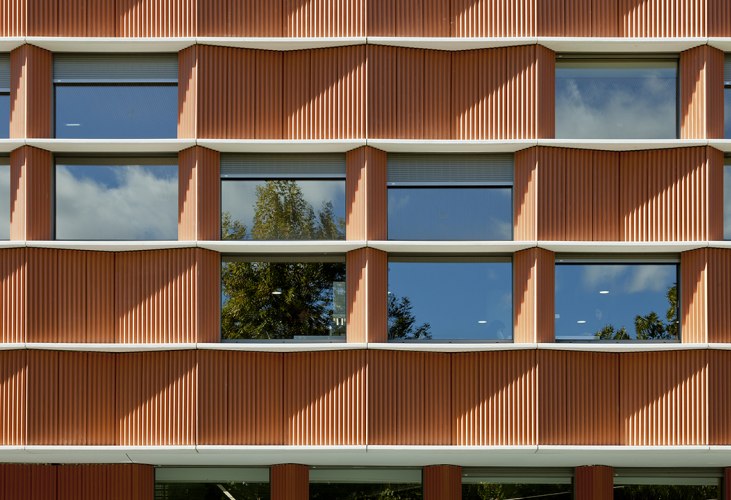
Made from natural clay, kiln-fired at high temperatures, terracotta is a timeless architectural material that blends ancient durability with modern rainscreen technology.
- Environmental Profile: Terracotta is 100% natural, fully recyclable, and free from synthetic resins or volatile organic compounds (VOCs). However, its initial embodied carbon can be moderate-to-high due to the energy required during the firing process.
- Performance & Durability: Exceptionally durable with a lifespan exceeding 50–100 years. It offers outstanding fire resistance (Class A1), non-fading natural colors, and high thermal mass.
- Best For: High-end commercial and institutional projects seeking a warm, natural aesthetic with zero end-of-life environmental hazard.
2. Fiber Cement
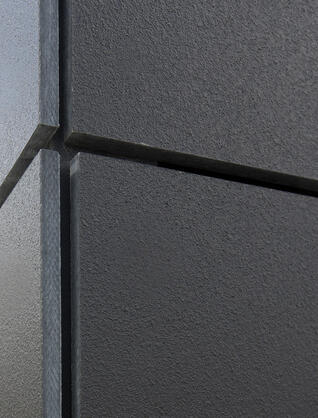
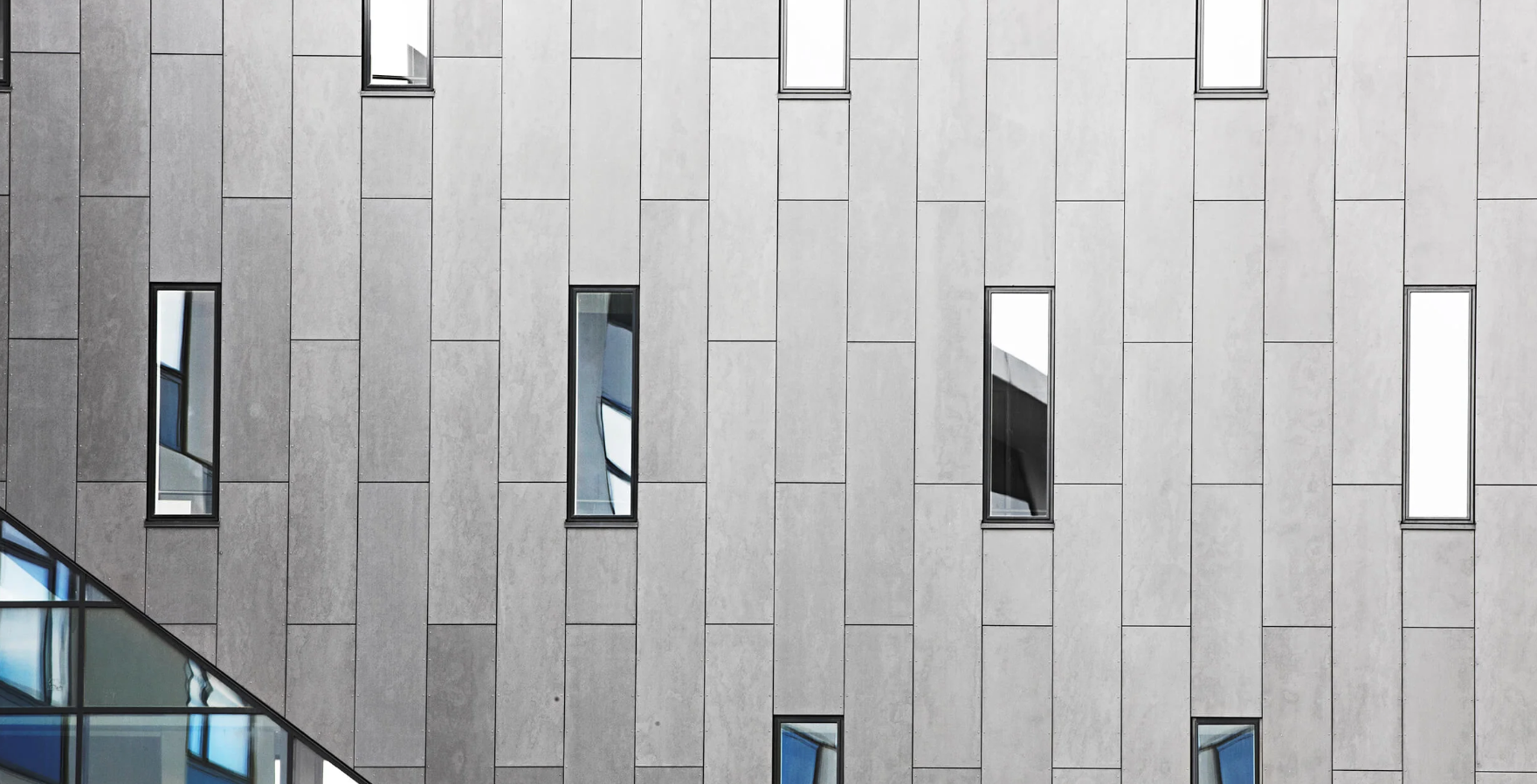
Composed of cement, cellulose fibers, sand, and water, fiber cement panels offer a versatile, highly durable, and sleek industrial appearance.
- Environmental Profile: Modern fiber cement relies heavily on natural raw materials and wood fibers. While Portland cement production carries embodied carbon, the lightweight nature of the panels reduces transportation emissions compared to traditional precast concrete.
- Performance & Durability: Excellent fire ratings (A2-s1, d0), highly frost-resistant, and immune to rot or pest infestation. Lifespan typically ranges from 40 to 50+ years with minimal maintenance.
- Best For: Multi-family residential, educational, and commercial projects looking for cost-effective, fire-safe, and low-maintenance modern cladding.
3. High-Pressure Laminate (HPL)
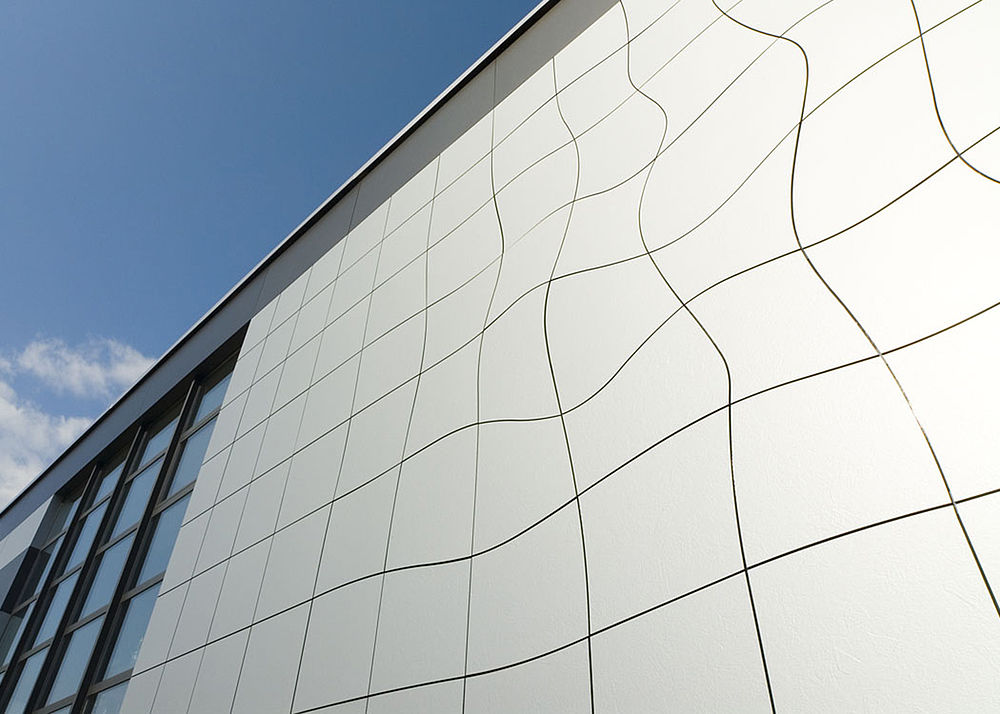
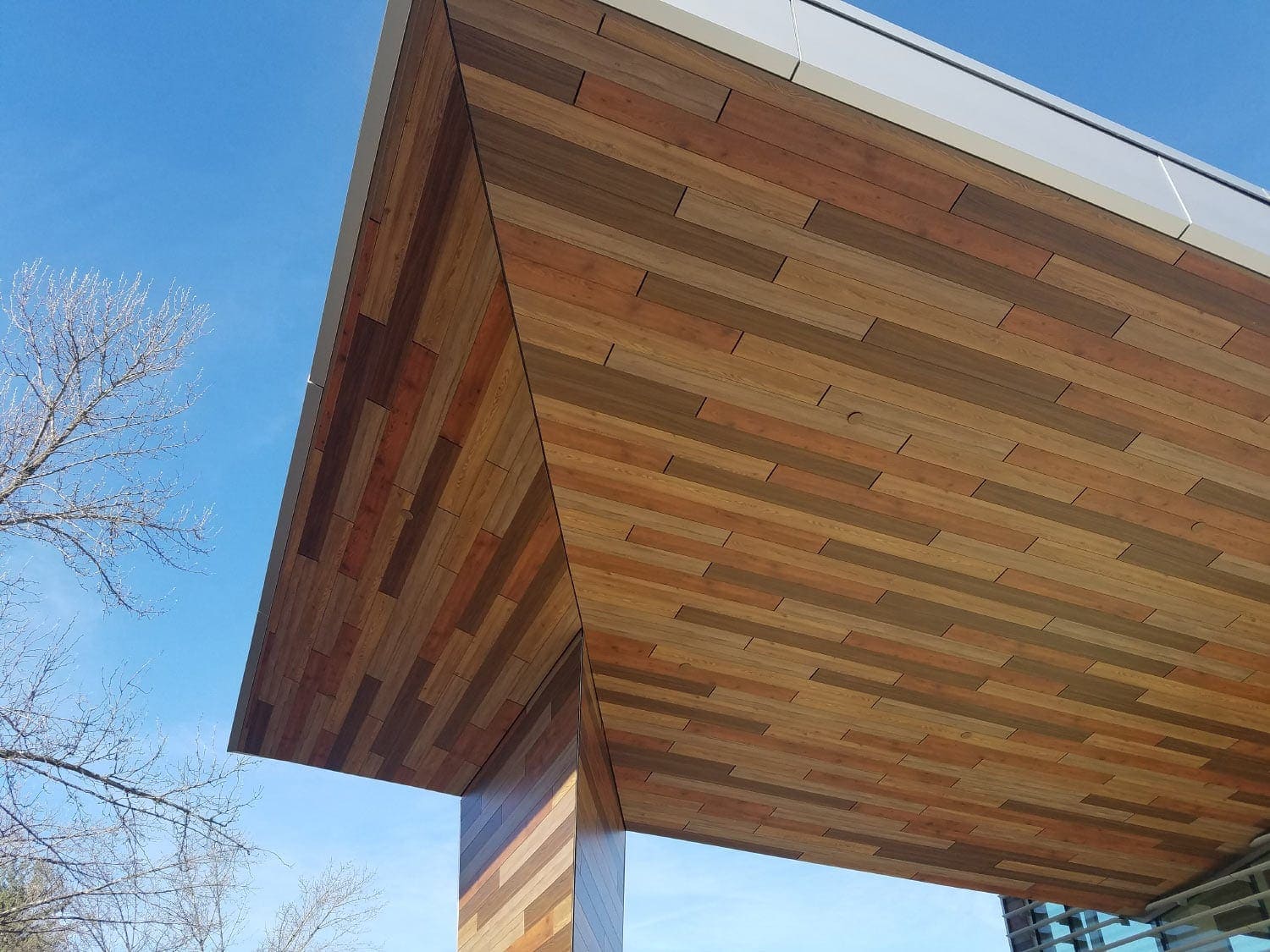
HPL panels consist of natural wood fibers bonded with thermosetting resins under extreme heat and pressure, finished with a decorative surface layer.
- Environmental Profile: High-quality HPL panels use up to 70% wood fibers sourced from sustainably managed, FSC- or PEFC-certified forests. They serve as a carbon sink during their lifetime, though synthetic resins complicate raw material recycling at end-of-life (often recovered via energy-from-waste processes instead).
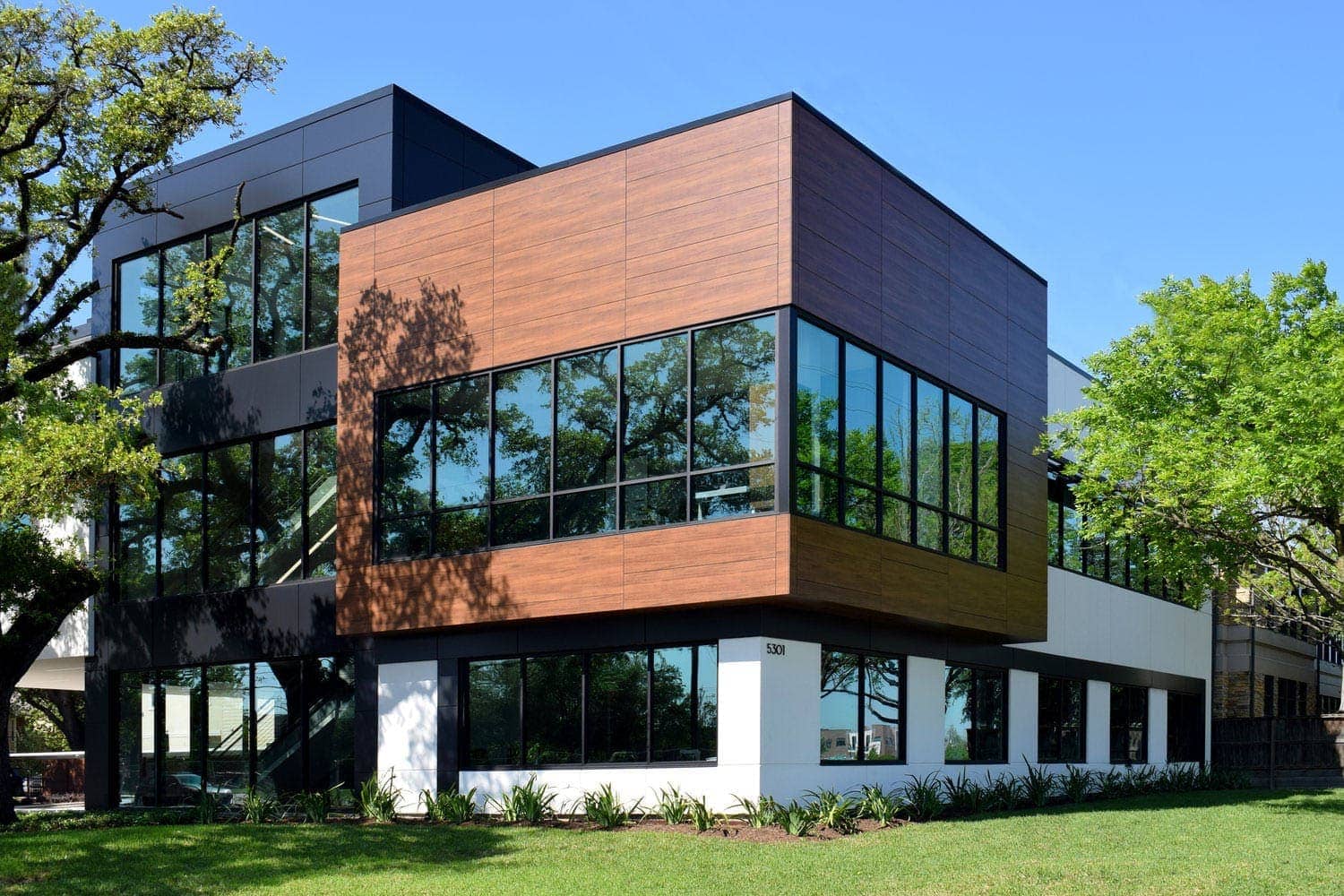
- Performance & Durability: Extremely high impact resistance, lightweight, and available in a vast array of colors and natural wood grains. UV-stable coatings prevent fading, with a lifespan of 30 to 50 years.
- Best For: Projects requiring a warm, timber-like warmth without the heavy maintenance of natural wood, or high-traffic facades prone to impact.
4. Metal Cladding (Aluminum & Zinc)
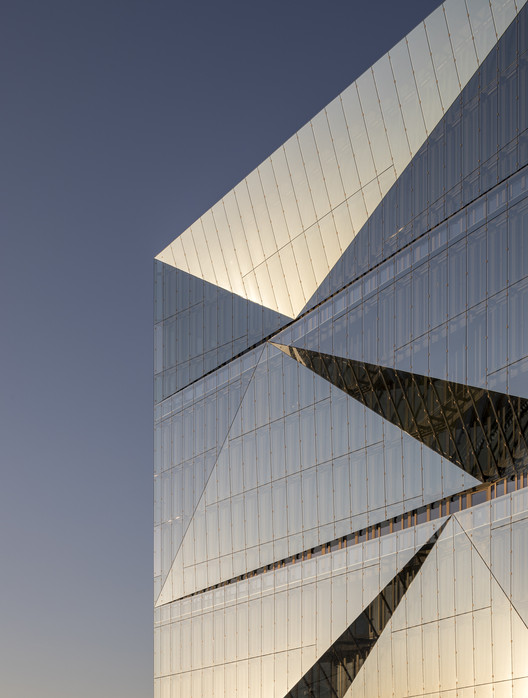
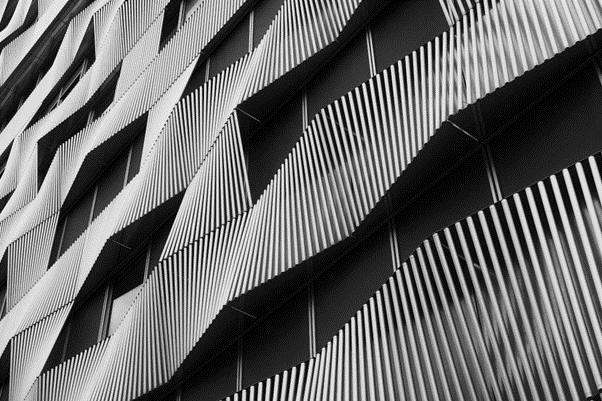
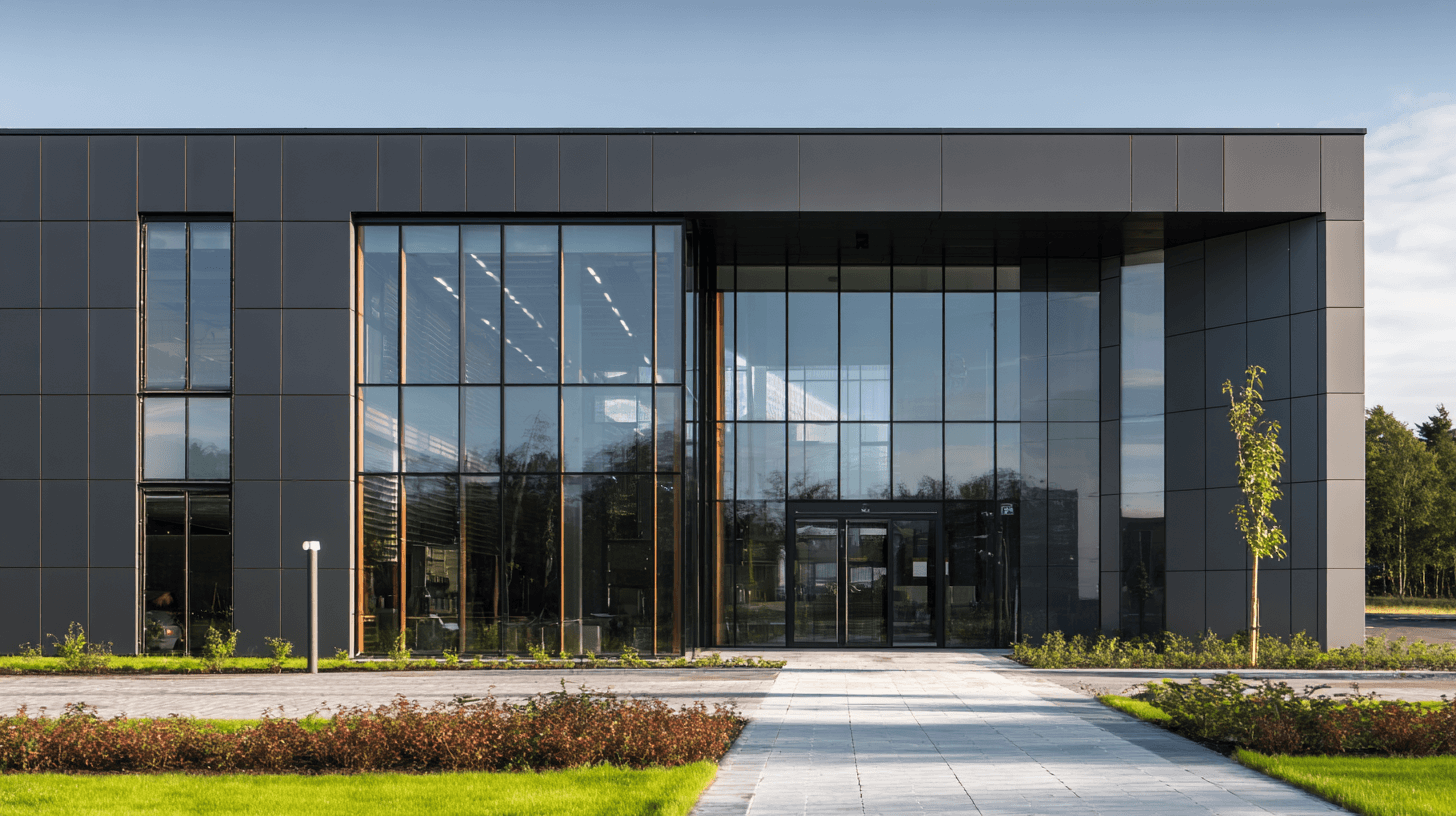
Metal panels—primarily composite or solid aluminum cassettes and standing seam zinc—offer precise, sharp lines and ultra-modern aesthetic flexibility.
- Environmental Profile: Metal panels are champions of the circular economy. Aluminum and zinc are 100% recyclable without quality degradation. Up to 90–95% of aluminum subframes and metal cladding are recycled at end-of-life, drastically offsetting their initial extraction energy.
- Performance & Durability: Extremely lightweight (reducing structural loads), highly weather-resistant, and non-combustible (solid panels). Zinc forms a self-healing patina over time, lasting up to 100 years.
- Best For: High-rise towers, contemporary commercial buildings, and projects prioritizing low structural load and maximum end-of-life circularity.
Comparative Material Matrix
| Cladding Material | Embodied Carbon | Circularity / Recyclability | Fire Resistance Rating | Design Lifespan | Primary Aesthetic |
| Terracotta | Moderate | High (Aggregate / Downcycling) | Class A1 (Non-combustible) | 50 – 100+ Years | Earthy, warm, tactile |
| Fiber Cement | Moderate-Low | Moderate (Crushed aggregate) | Class A2 (Non-combustible) | 40 – 50+ Years | Sleek, raw stone/concrete |
| HPL | Low (Biophilic wood base) | Moderate (Thermal energy recovery) | Class B – A2 (Fire-retardant options) | 30 – 50 Years | Vibrant colors, wood grain |
| Metal (Alum/Zinc) | High initial / Low recycled | Very High (Infinite 100% recycling) | Class A1 – A2 (Solid metal) | 50 – 100 Years | Modern, metallic, crisp |
Making the Right Specifying Choice
There is no single “best” material for every green building—the optimal choice depends on project priorities:
- For Maximum Circular Economy: Choose Metal (Recycled Aluminum/Zinc) due to infinite recycling loops.
- For Lowest Chemical Impact & Longevity: Choose Terracotta for pure, mineral durability.
- For Carbon-Conscious Budgeting: Choose Fiber Cement for fire safety and balanced cost-to-performance ratio.
- For Biophilic Design: Choose FSC-Certified HPL to incorporate timber warmth with high impact resilience.