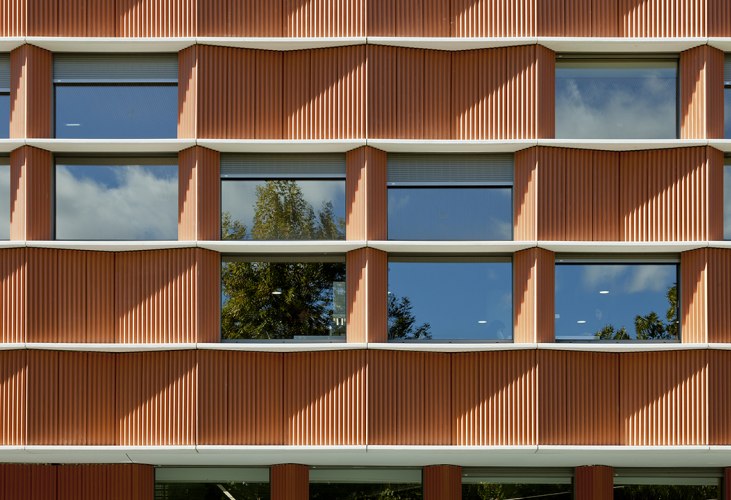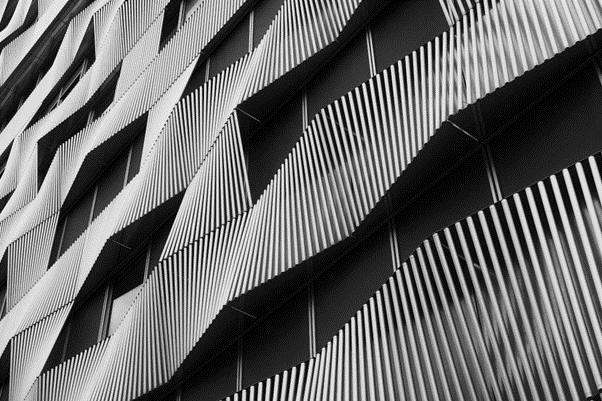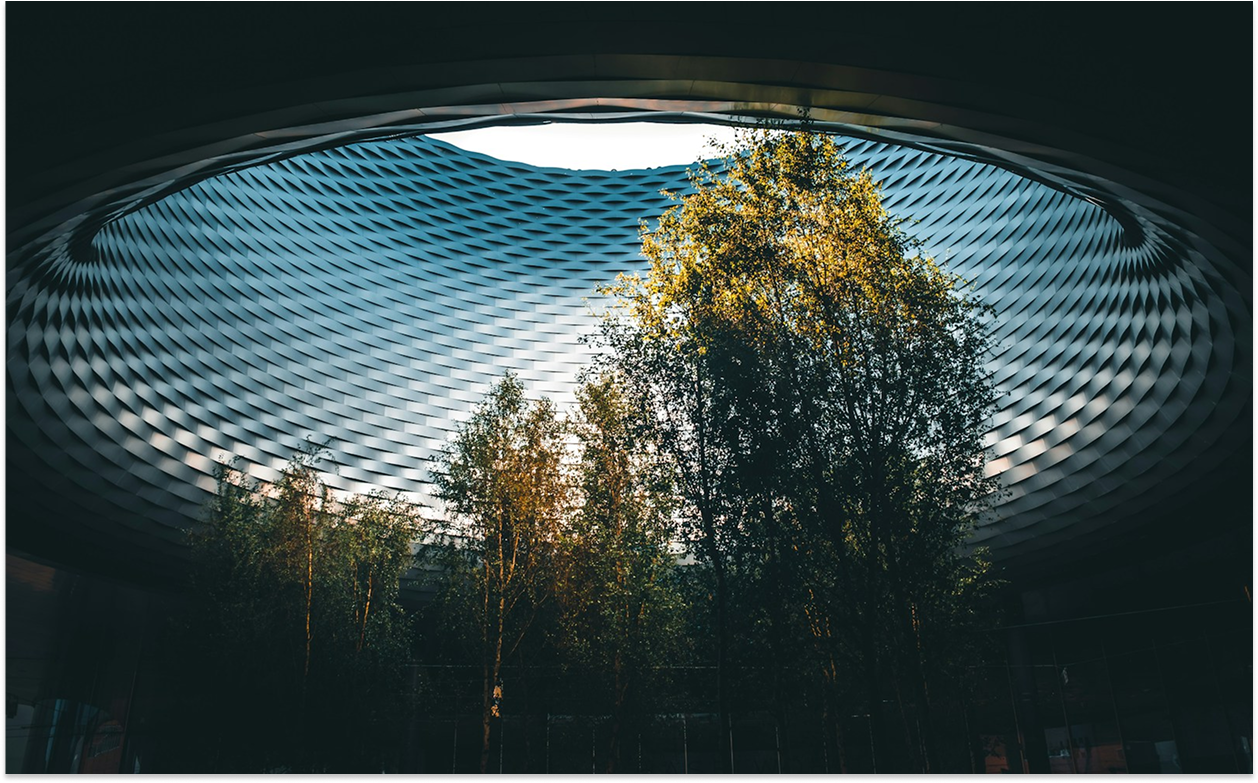
The word “facade” comes from the Latin facies, meaning “face.” This is no coincidence: just like a human face, a facade is what a building presents to the world. It is its first impression, its way of communicating with those who observe it.
But a facade is not just about appearance. From a technical point of view, it functions like a true “skin”: it protects against sun, wind, and rain, regulates light and ventilation, and mediates between interior and exterior. As early as the Renaissance, Leon Battista Alberti conceived facades as harmonious, almost “living” systems. Today, this vision continues with architects like Renzo Piano, whose double-skin facades act as intelligent filters, almost like breathing organisms.
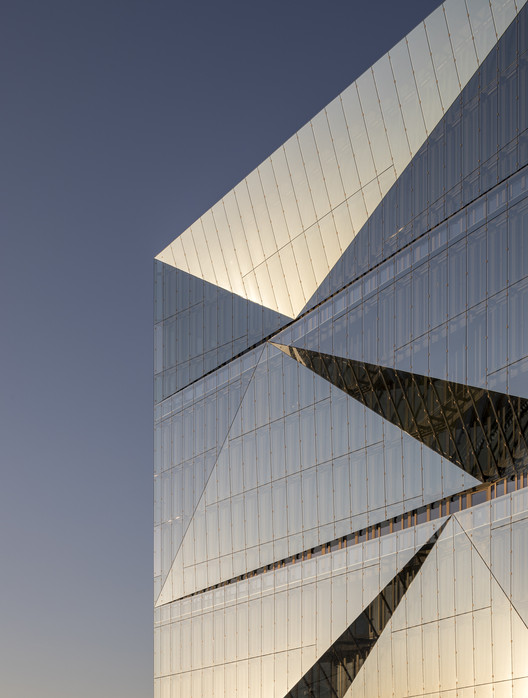
Alongside its technical role, however, there is a crucial aspect: semantics, the production of meaning. As Umberto Eco reminds us, every work is a system of signs to be interpreted. The facade, therefore, is a language: glass in modern buildings suggests transparency and openness; Baroque ornamentation expresses power and wealth; minimalist surfaces communicate rigor and restraint. Nothing is ever truly neutral.
There is also a deeper, symbolic dimension. The facade can be understood as a mask, much like Luigi Pirandello suggested: what we show never fully coincides with what we are. In the same way, a building reveals only part of its identity while concealing the rest.
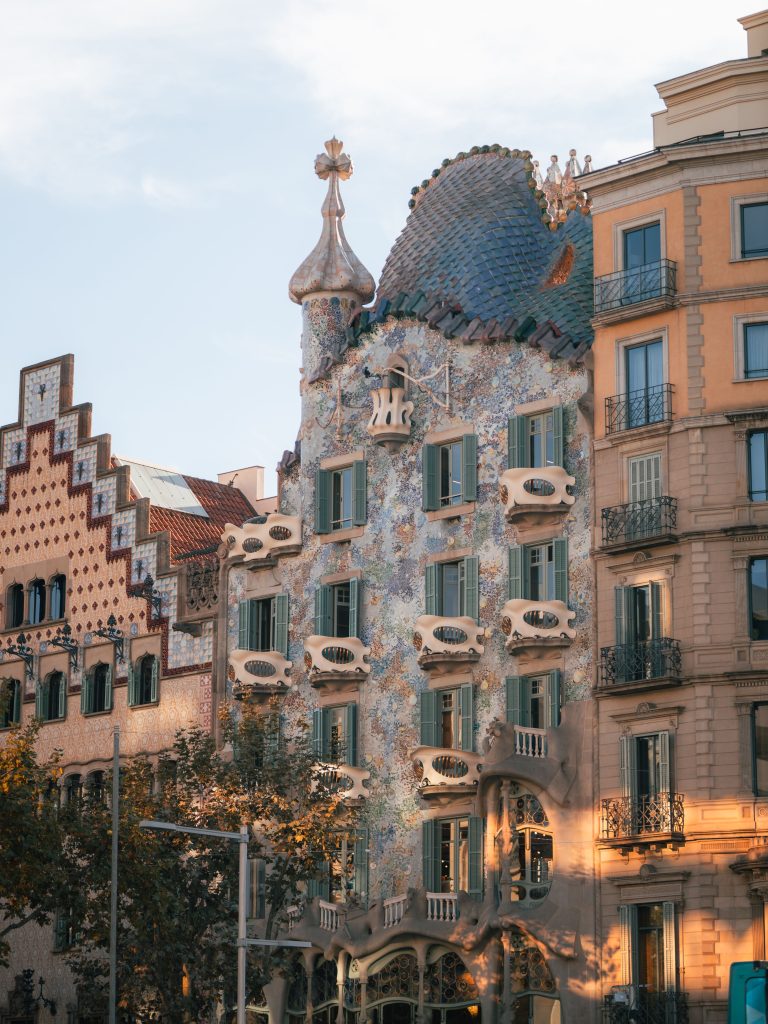
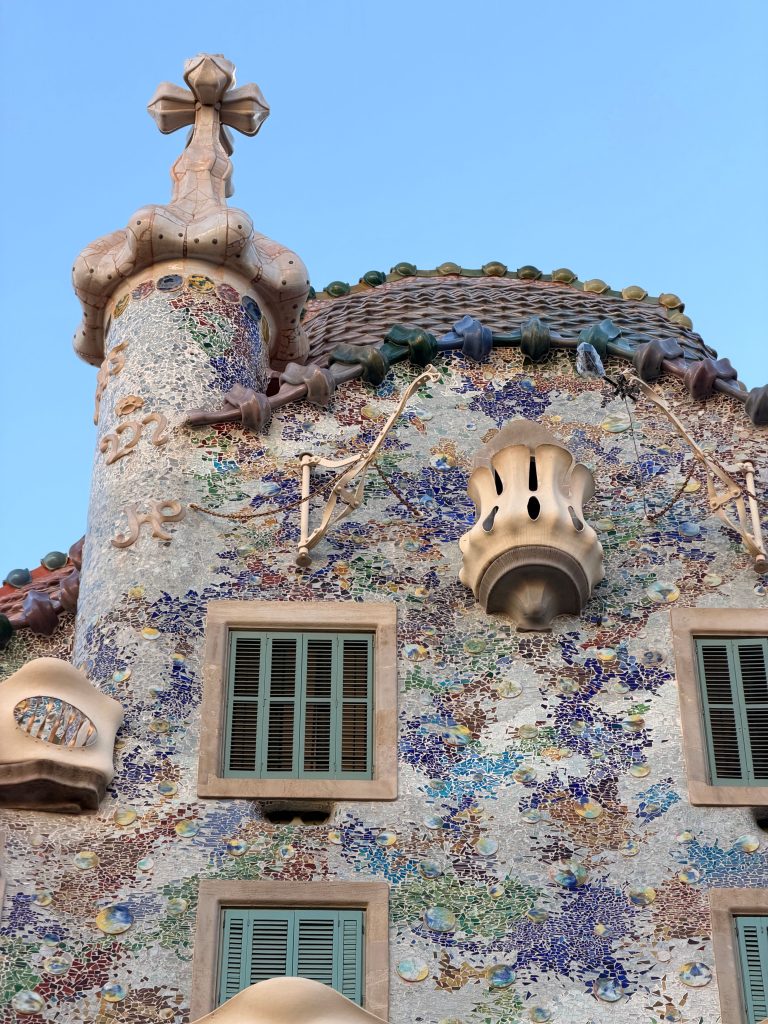
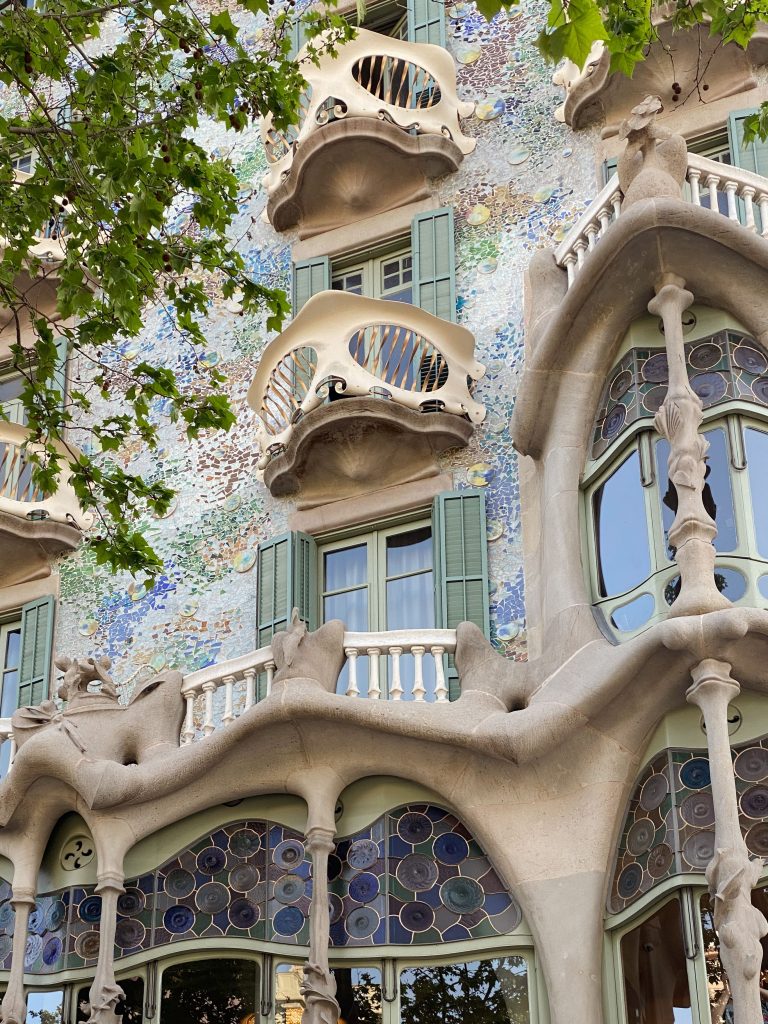
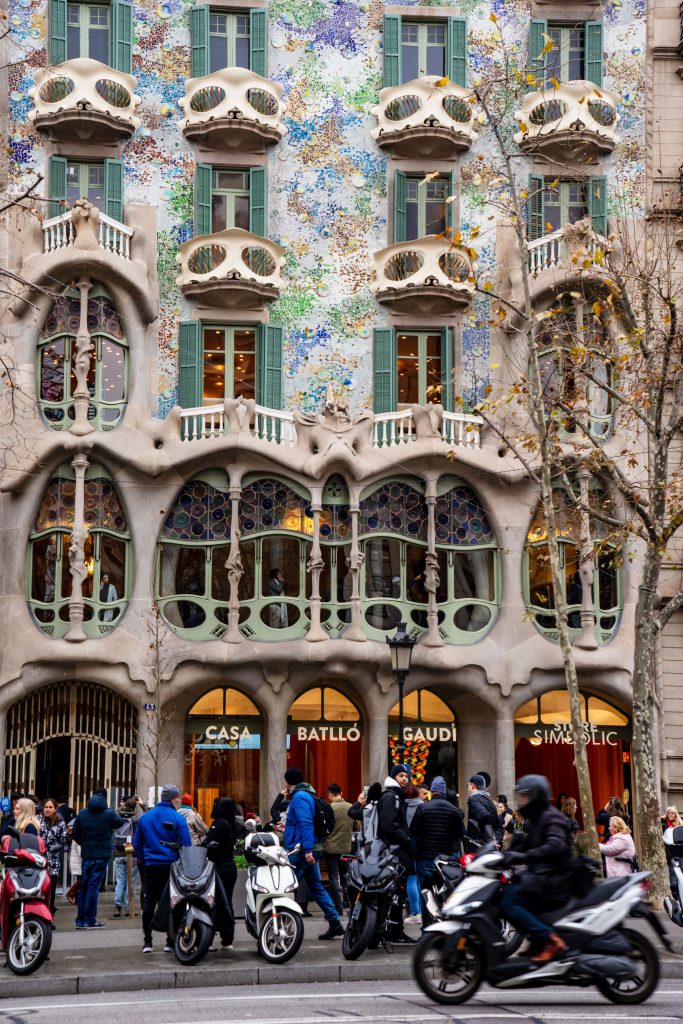
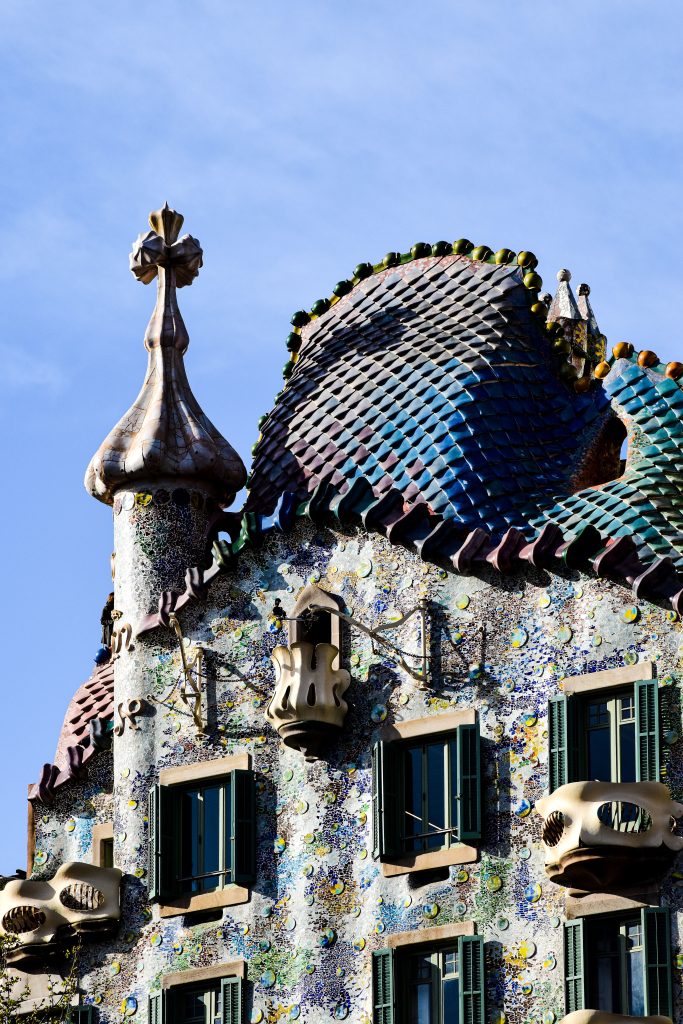
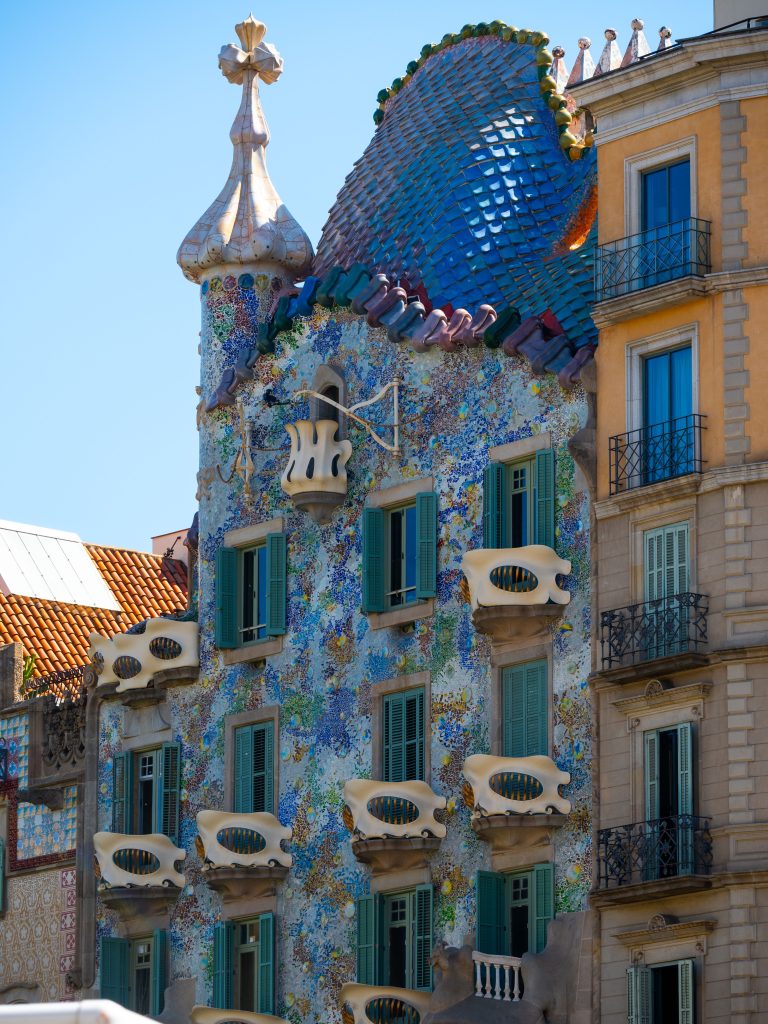
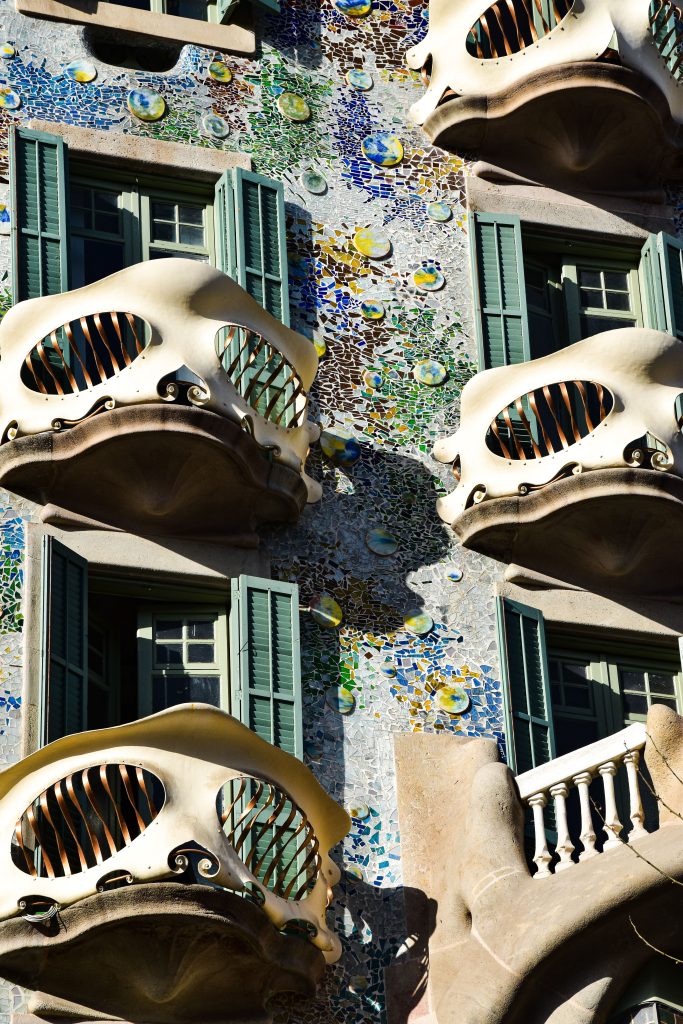
This becomes especially clear when comparing architectural styles. The colorful, organic forms of Antoni Gaudí express imagination and creative freedom, while other architectures emphasize order and discipline. In every case, the facade reflects an idea, a culture, an era.
And perhaps Oscar Wilde was right: behind every facade lies something deeper—perhaps another facade, perhaps the truth. That is precisely what makes it so fascinating.
Ultimately, the facade is much more than a surface: it is a meeting point between technique and semantics, between function and meaning. It tells not only the story of a building, but also the values, ideas, and visions of those who designed it.
The next time you stand in front of a building, take a moment to look at its facade: you are not just seeing a wall, but a silent language waiting to be interpreted.