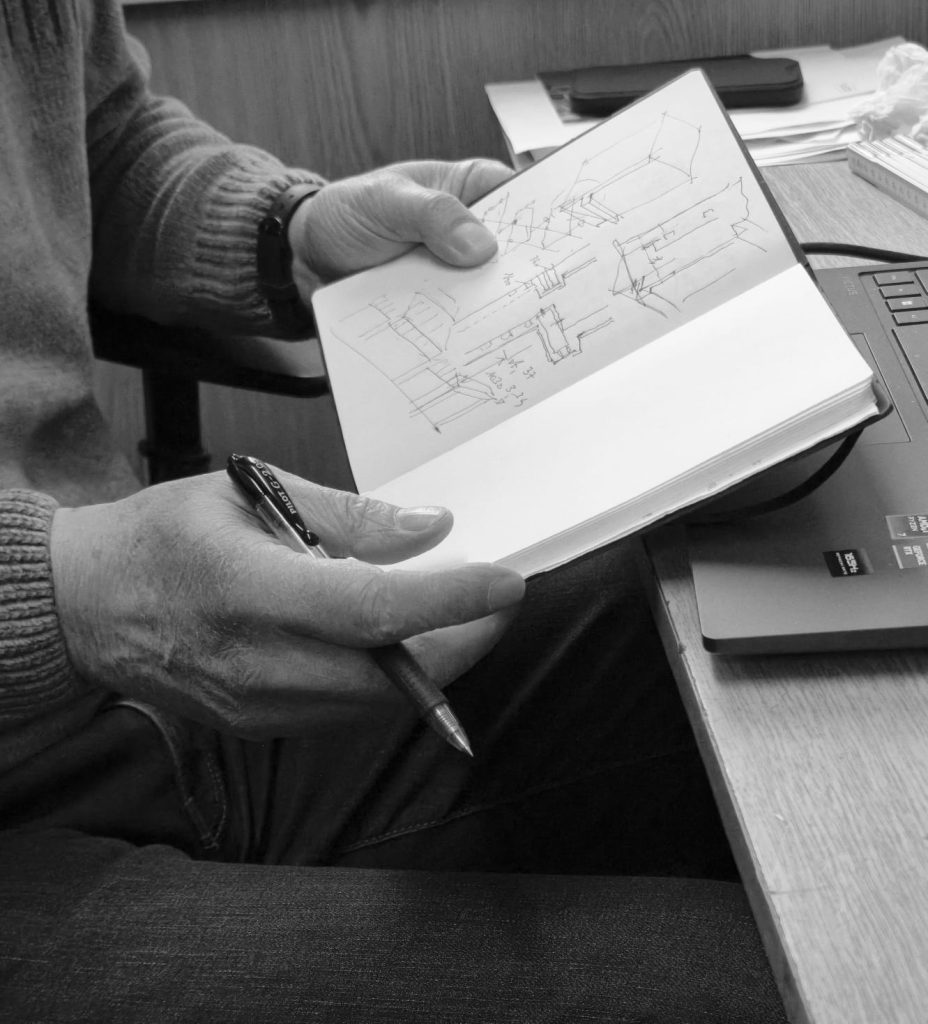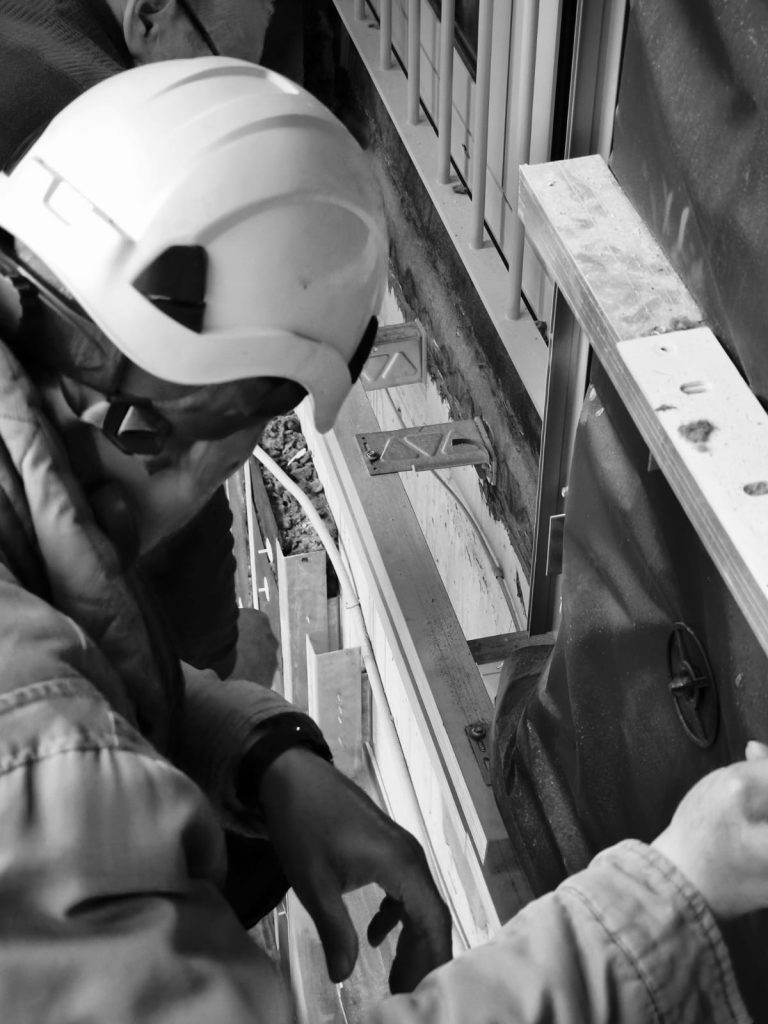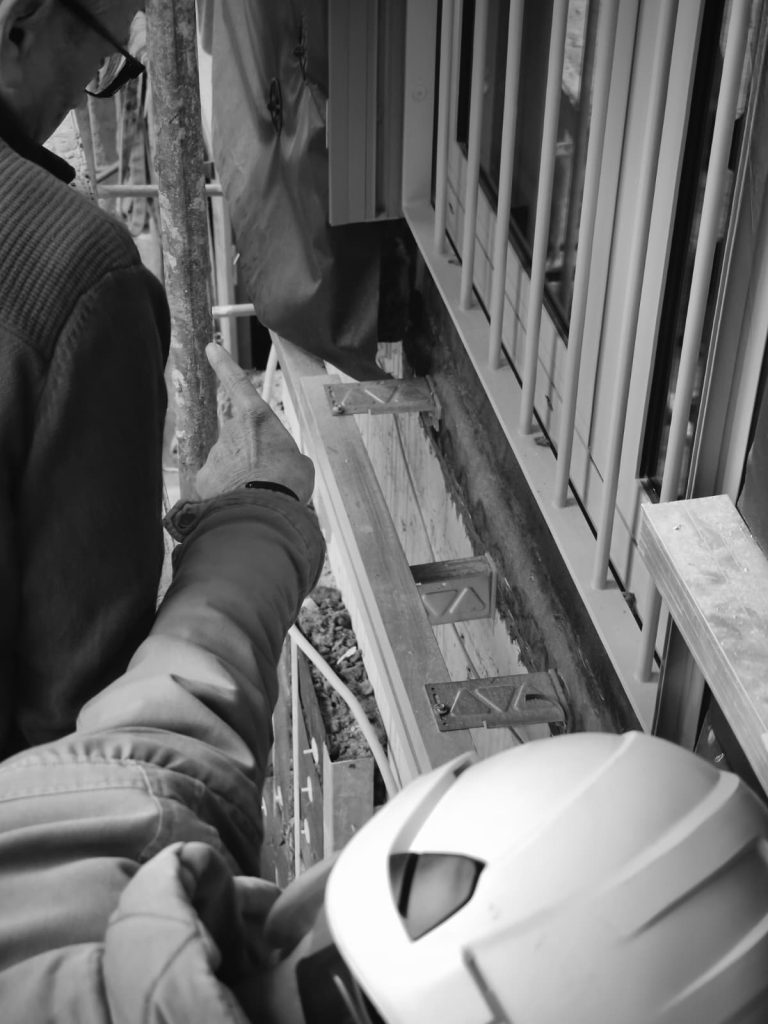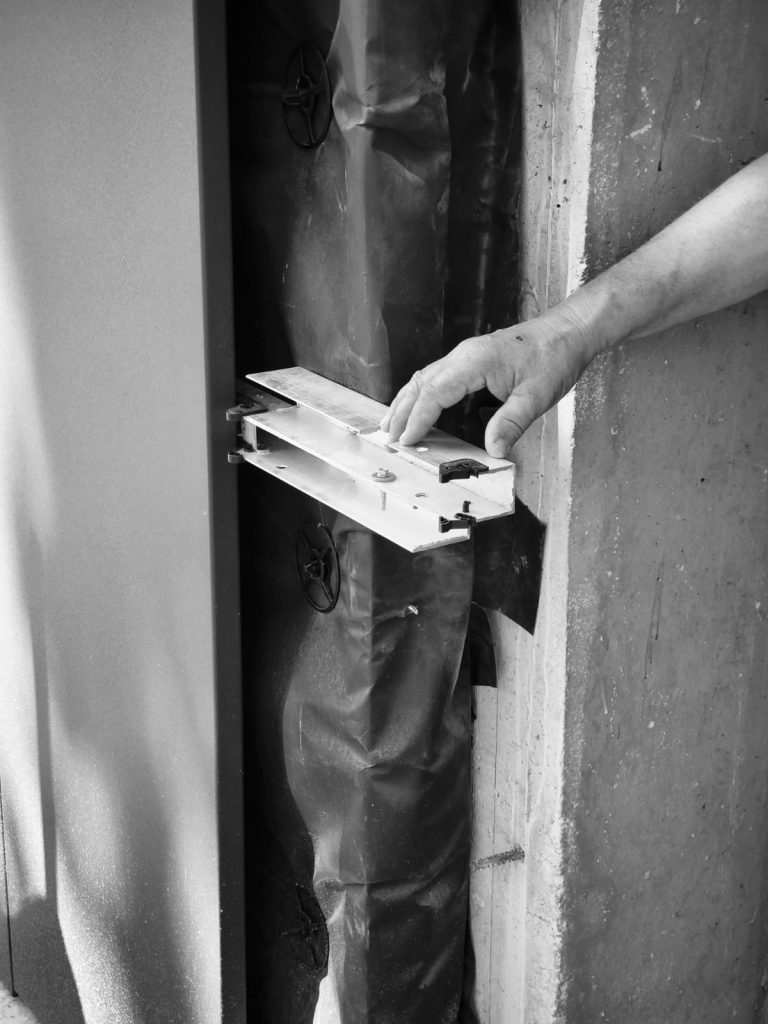
The construction industry continues to face a fundamental challenge: delivering projects on time, within budget, and without costly revisions. To meet these demands, different project delivery methods have evolved over time.
While some projects still follow the traditional design-bid-build model, others adopt faster approaches such as design-build. In recent years, more collaborative methods—particularly design-assist and delegated design—have gained increasing relevance.
These approaches aim to improve project outcomes by integrating specialized expertise at the earliest and most strategic stages of the design process.
Why Early Collaboration Matters
Traditionally, construction projects followed a linear process: design, then cost estimation, and finally construction. This separation often led to misunderstandings, inefficiencies, and costly revisions during later stages.
Today, early collaboration between architects, designers, contractors, and manufacturers is widely recognized as a key success factor.
By involving all relevant stakeholders from the beginning, projects benefit from:
- better coordination
- fewer design conflicts
- more efficient execution
This shift is particularly important in areas such as façade engineering and building envelope systems, where technical complexity and prefabrication play a major role.
Key Benefits of Early Collaboration
Improved Constructability
When contractors and manufacturers are involved early, they provide valuable input on materials, construction methods, and sequencing.
This ensures that design concepts are not only visually strong, but also practical and buildable. Potential issues can be identified and resolved before construction begins, reducing delays and on-site complications.
Cost Efficiency
Early collaboration enables more accurate cost estimation and better optimization of technical solutions.
Designers can make informed decisions based on real pricing and material availability, while contractors can propose alternatives that reduce costs without compromising performance.
Prefabrication and standardized components also help reduce waste, labor, and construction time.
Faster Project Timelines
Coordinated planning between design and construction teams allows for more efficient scheduling.
Processes such as off-site fabrication can run in parallel with on-site works, significantly reducing overall project duration.
Innovation and Performance
Collaboration encourages the exchange of ideas between disciplines.
This often leads to more innovative solutions, particularly in:
- energy efficiency
- durability
- façade performance
- lifecycle expectancy
An integrated approach results in higher-performing and more sustainable buildings.
Better Communication and Trust
Early involvement fosters stronger relationships between stakeholders.
Teams develop a shared understanding of:
- project goals
- constraints
- expectations
This reduces conflicts and creates a more cohesive and efficient workflow
Design-Assist: Definition and Benefits
Design-assist is a collaborative approach where key specialty contractors are involved during the design phase rather than after its completion.
Their role is to support the design team by providing practical input on:
- constructability
- cost control
- material selection
- scheduling
While the lead designer retains full design responsibility, the process becomes more informed and grounded in real-world execution.
Key advantage:
Better-informed design decisions with fewer changes during construction.
Delegated Design: Definition and Benefits
Delegated design takes a different, yet complementary approach.
In this model, specific parts of the project are assigned to specialized contractors or suppliers. The lead designer defines the overall concept and performance requirements, while delegated parties develop detailed technical solutions.
This approach is commonly used for:
- façades
- steel structures
- building systems
The delegated contractor is responsible for both design and execution, ensuring a high level of technical precision and accountability.
Key advantage:
Specialized expertise leads to optimized and highly detailed technical solutions.
Design-Assist vs Delegated Design
Design-Assist
Contractor involved early as advisor
Designer retains design control
Focus on collaboration and input
Reduces design risks early
Delegated Design
Contractor responsible for design
Design responsibility is transferred
Focus on execution and accountability
Optimizes technical delivery
Application in Façade Engineering
In façade and building envelope systems, these approaches are particularly valuable.
Façades often involve:
- complex detailing
- off-site fabrication
- long lead times
- high performance requirements
Early collaboration ensures that systems are:
- technically feasible
- cost-efficient
- aligned with design intent
Whether through design-assist or delegated design, involving façade specialists early significantly improves project outcomes.
Early collaboration in the AEC industry is no longer just a best practice—it is a necessity.
By moving beyond traditional, fragmented workflows and embracing integrated approaches such as design-assist and delegated design, project teams can achieve:
- greater efficiency
- better cost control
- improved performance
- higher overall quality
In technically demanding fields like façade engineering, this shift is essential for delivering successful, future-ready projects.